Make Every Device Work Together, No Matter Who’s in Control

Today we dive into controller‑agnostic smart homes using Matter and Thread standards, showing how lights, sensors, speakers, and appliances can cooperate across Apple, Google, Amazon, and SmartThings without lock‑in. Expect practical steps, realistic examples, and clear guidance on building a fast, secure, resilient home that feels effortless for every member of your household.
Interoperability Without Lock‑In
Interoperability finally feels natural when devices speak Matter and ride on reliable Thread or Wi‑Fi backbones. You can commission once, share across ecosystems, and let each person use their favorite app or assistant. This approach reduces fragmentation, preserves local control, and invites experimentation, while protecting your investment against sudden platform shifts or disappearing clouds.
Why controller‑agnostic changes daily life
Households rarely agree on a single app, phone brand, or voice assistant. A controller‑agnostic approach lets a parent use Siri, a roommate prefer Google Home, and a guest trigger routines with Alexa, all controlling the same lights and locks. Decisions focus on experience, not brand loyalty, reducing friction and making automation genuinely welcoming.
Multi‑admin in practice across families and guests
With Matter’s multi‑admin capability, a single device can be added to multiple ecosystems without factory resets or hacks. That means joint control for partners, separate profiles for roommates, and temporary access for guests. Everyone enjoys familiar interfaces while the device maintains one identity, consistent automations, and secure local communication underneath the friendly surface.
Bridging Wi‑Fi, Thread, and existing gear
Thread provides low‑power, self‑healing mesh for sensors and switches, while Wi‑Fi and Ethernet serve bandwidth‑hungry products like cameras and speakers. Bridges bring legacy Zigbee or Z‑Wave devices into the fold. The result is a cohesive, multi‑radio environment where everything cooperates, avoiding painful rip‑and‑replace upgrades while still moving confidently toward a cleaner future.
Setup Essentials for a Seamless Start
Picking devices that truly interoperate
Look for the Matter badge, but also read release notes and supported clusters to ensure key features work locally. Favor brands with transparent update policies and clear device reset methods. Mix Thread for low‑power sensors with Wi‑Fi plugs or switches sparingly. Ask communities about real‑world stability, not just specs, then build room by room.
Thread border routers you may already own
Many homes already contain capable Thread border routers, such as Apple HomePod mini, Apple TV 4K (newer generations), Eero Thread‑enabled systems, or Nest Wifi Pro. These act as gateways connecting your Thread mesh to your IP network. Place them centrally, ensure good Ethernet backhaul, and avoid cluttered shelves that weaken radio performance.
Simple commissioning with strong security
Commissioning typically starts by scanning a QR code, initiating a secure session that protects credentials from eavesdroppers. Matter employs PASE using SPAKE2+ during onboarding, then transitions to CASE for operational messaging with certificates. Store setup codes safely, note which controller initiated pairing, and confirm the device appears consistently across all intended ecosystems before proceeding.
Network Design for Reliability and Speed
A dependable smart home rests on solid network foundations. Build a robust Thread mesh with several always‑powered routers, ensure your Wi‑Fi channels avoid interference, and hardwire controllers or hubs where possible. Thoughtful placement matters more than raw specs. A few minutes with a floor plan prevents months of mysterious delays or missed automations.
Thread thrives when multiple mains‑powered devices act as routers, creating redundancy and shorter hops. Distribute them across rooms and floors, away from metal appliances and dense walls. Battery sensors become sleepy end devices to conserve power, relying on the mesh’s routers. Redundancy and modest spacing deliver snappy automations and fewer frustrating dead zones.
Give your smart home a healthy backbone by wiring what you can, using Ethernet for stationary hubs and media devices. On Wi‑Fi, avoid congested channels, disable aggressive band steering for tiny IoT radios, and separate guest traffic. If comfortable, VLANs can isolate devices, but start simple: reliability increases dramatically with just careful placement.
Bridges extend life for Zigbee and Z‑Wave products, translating capabilities into Matter where supported. Check whether advanced features survive bridging and test scene performance under mixed loads. Keep firmware current, record backup strategies, and plan an eventual migration path. Respecting existing investments while aiming for a cleaner future keeps budgets sane and stakeholders happy.

How trust begins at the first handshake
During onboarding, devices authenticate using PASE with SPAKE2+, then operate with CASE and device certificates issued by trusted authorities. This cryptographic chain confirms authenticity and blocks rogue impostors. You gain local, encrypted control, resilient to internet outages. When sharing access across controllers, the underlying trust fabric persists, keeping sessions verifiable, private, and predictable.

Practical privacy habits that really help
Minimize cloud dependencies where possible, disable remote access features you never use, and segment guest networks. Regularly review who has administrative rights across ecosystems and remove stale invites. Prefer local automations for speed and confidentiality. Keep setup codes offline and rotate Wi‑Fi credentials prudently. These small practices compound into real safety without daily hassle.

Routine upkeep without drama or surprises
Schedule time for firmware updates and controller releases, skim changelogs for security notes, and keep a simple inventory list. If something misbehaves, collect logs before factory resets. Document which devices provide Thread routing, then replace them in pairs to preserve coverage. Share lessons with the community and learn from others’ hard‑earned troubleshooting wins.
Automations That Delight Across Ecosystems
When every person can use their preferred interface, automations become more inclusive. Matter’s shared control prevents fragmentation while Thread keeps latency low. Start simple, iterate quickly, and measure outcomes like fewer taps or lower energy use. Encourage family feedback, then refine triggers, conditions, and scenes until the home feels delightfully responsive without constant tinkering.
Lighting that adapts to presence and daylight
Pair motion or presence sensors with Thread bulbs and switches to create gentle fades at night and bright focus in the morning. Use adaptive color temperature for comfort, and add time or luminance conditions to avoid false triggers. Let each ecosystem’s scene controls coexist peacefully, so everyone’s preferred app still feels welcoming and fast.
Comfort that respects preferences and seasons
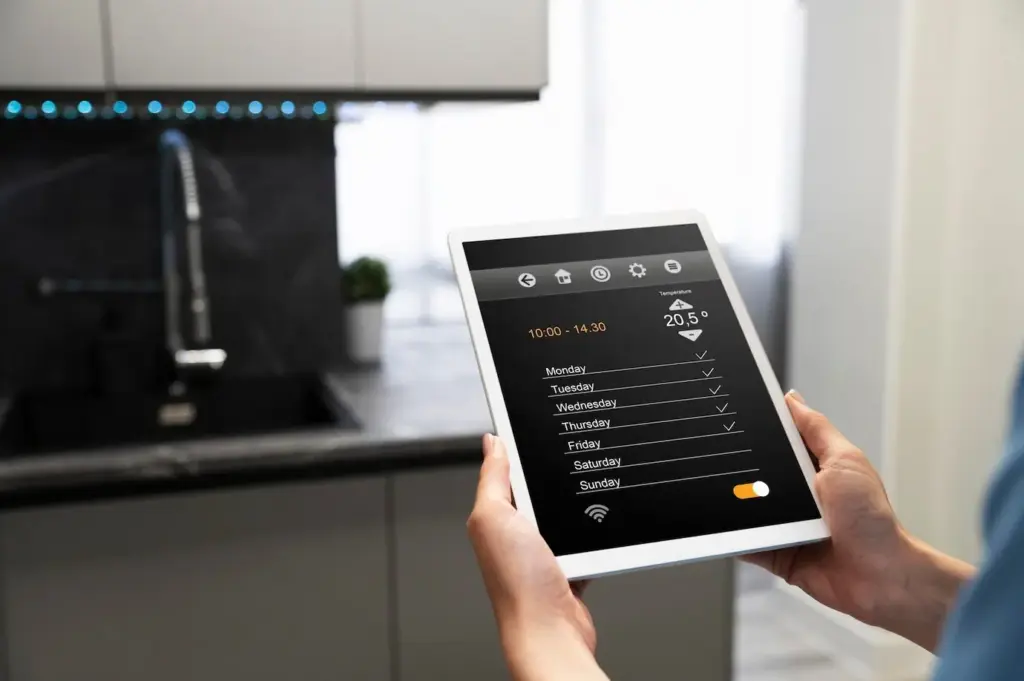
Thermostats, radiator valves, and fans can coordinate using shared schedules, occupancy, and window sensors. Automations reduce swings, cut bills, and still allow quick manual overrides from any controller. Measure improvements week over week, then refine setpoints. Post your graphs, ask for advice, and celebrate when comfort improves while your energy usage noticeably drops.
Voice, dashboards, and friendly redundancy
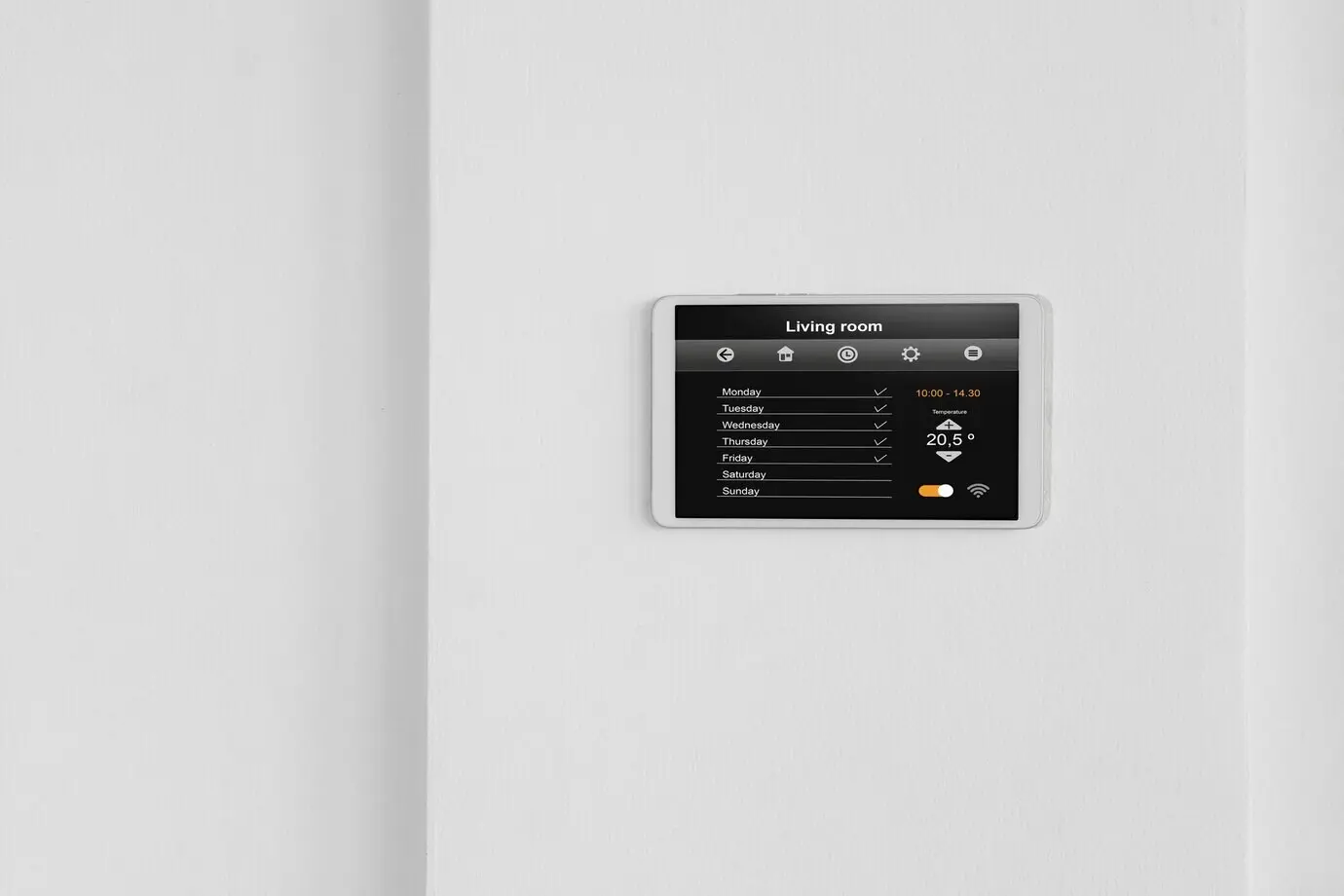
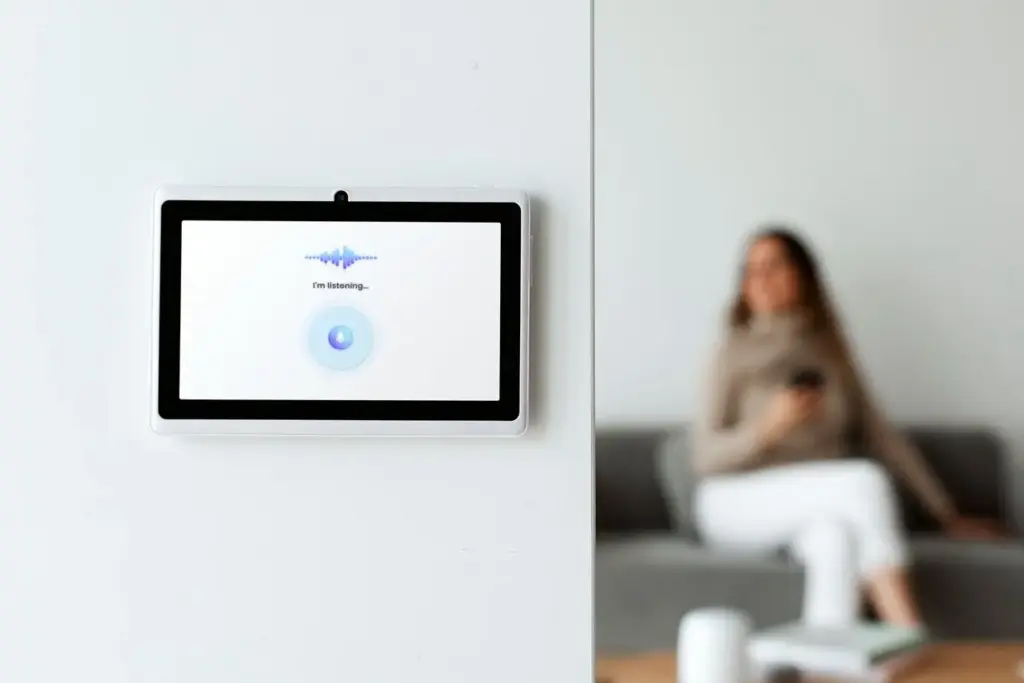
Give voice assistants overlapping abilities so a single outage does not stall the household. Keep a lightweight dashboard for fast taps and a wall control in key rooms for guests. Consistent names, rooms, and scenes across controllers prevent confusion. Invite readers to share favorite voice routines and clever fallback strategies that keep mornings smooth.

Maintain, Measure, and Future‑Proof
Great systems evolve gracefully. Track battery life, watch latency trends, and plan upgrades around meaningful improvements, not just hype. Keep backups of controller data where supported, note fabric details, and maintain a clean inventory. Engage with release notes and community forums, then share your findings so others avoid pitfalls and replicate your successes confidently.
All Rights Reserved.