Live Smarter Without Another App


The Joy of Local Control

Privacy Without Dependence
Interfaces You Can Touch, Hear, and Trust
Tactile Elegance
Materials matter. Knurled aluminum knobs, rubberized buttons, and smooth sliders invite interaction and guide behavior. A distinct click at a midpoint helps you find favorite brightness in the dark. Textured surfaces aid accessibility and make controls intuitive during hurried moments. Mechanical feedback pairs with subtle haptics to reduce second guessing. When the body understands the control, the mind relaxes. That is the magic of tangible interfaces: they communicate both instructions and reassurance through your fingertips, making even complex scenes feel wonderfully simple.
Local Voice Done Right
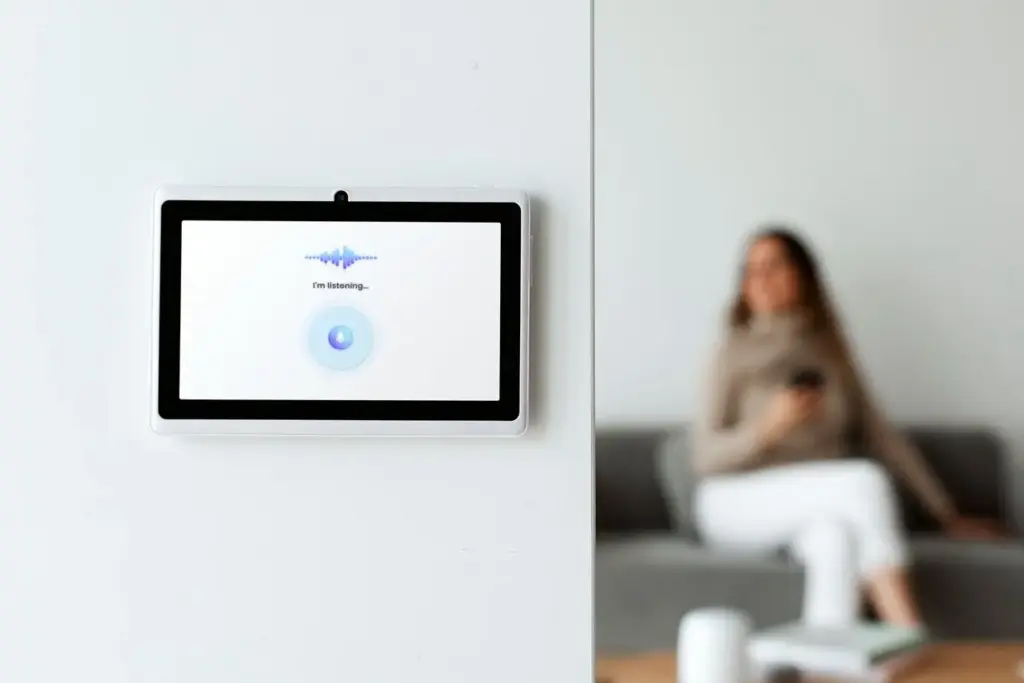
On-device speech recognition focuses on concise, predictable commands and avoids collecting recordings. Wake words remain reliable because models are tuned to your space, not the cloud’s averages. Short phrases trigger direct actions instead of parsing elaborate dialogue trees. Visible microphones and a physical mute switch build trust, while brief light pulses acknowledge successful recognition. A home should never feel like a call center; it should respond politely, privately, and consistently, even while your internet connection is paused for a quiet evening.
Ambient Feedback
Small signals do heavy lifting. A calm color shift shows heating progress, a gentle two-tone confirms a scheduled scene, and a short vibration in a handheld remote acknowledges a command without noise. Feedback should be informative without demanding attention, accessible without stealing focus. Consider night modes that dim indicators automatically and accessibility profiles that enhance contrast on request. These ambient touches replace the barrage of notifications with quiet assurance, so you know what your home is doing without reaching for a screen.

Battery Life and Sustainable Power Choices
Scenarios That Prove the Point

Choosing Open Protocols
Microcontrollers and Firmware
Community Wisdom
Build, Hack, and Expand Locally

A Practical Checklist Before You Buy
Questions for Manufacturers
Ask how the device behaves without internet, whether data leaves your home by default, and how physical controls map to functions. Request a security whitepaper in plain language, details on firmware signing, and a clear end-of-life policy. Confirm whether commissioning can be completed without a proprietary app. Ask about repair parts, button life cycles, and battery recommendations. Vendors who answer directly earn trust, and those who dodge deserve polite distance. Your questions signal a market that values clarity and durability.
Try Before You Commit
Pilot one device in a high-traffic spot and observe real behavior. Do guests understand it? Does it respond immediately, even during network hiccups? Are indicators polite at night? Does the control feel good after a hundred presses? Keep notes for a week, then decide whether to expand. This small experiment reveals more than glossy marketing. You will protect your budget, refine preferences, and build a coherent collection that feels like it belongs together rather than a drawer of almost-right gadgets.
Future-Proof Without Subscription
Longevity comes from thoughtful neutrality. Favor devices that can evolve through local updates, work with multiple hubs, and keep core features offline. Avoid mandatory subscriptions for essentials like schedules or voice commands. Choose standardized power connectors and replaceable cells. Verify that replacement parts exist. The goal is not to chase every new feature but to preserve reliability. When your home’s foundation is steady, you can add delightful flourishes on your terms, knowing the lights still respond and the doors still lock every single day.

All Rights Reserved.