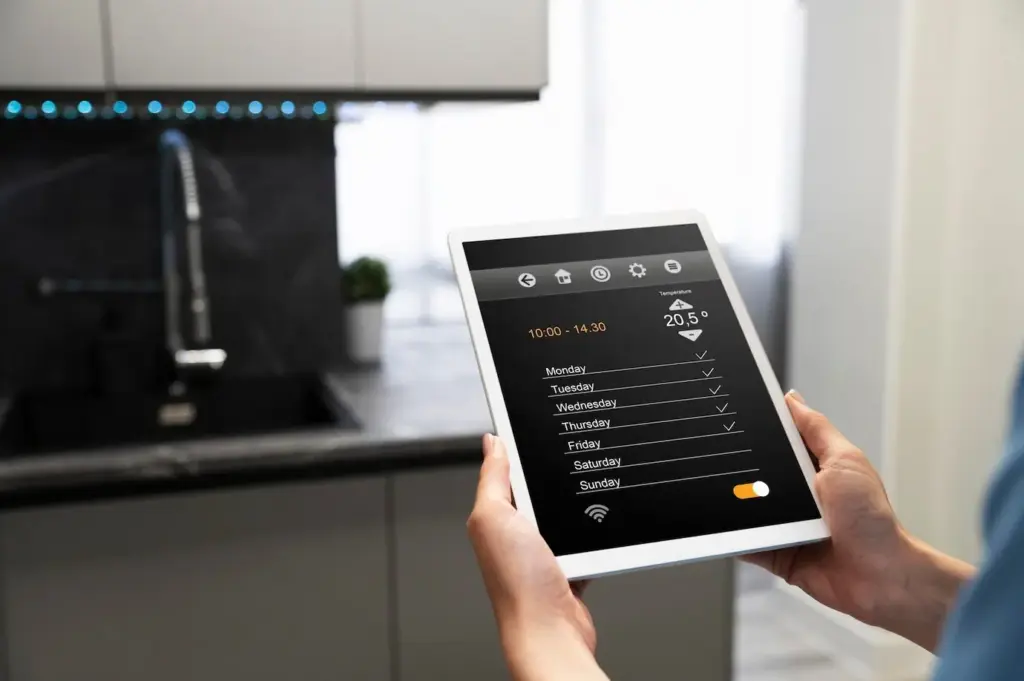
Hands-Free Living, Powered by Your Voice


Today we explore voice-only smart home control with assistants and speakers, focusing on creating effortless, screen-free experiences that feel natural and reliable. You’ll learn how to plan routines, choose hardware, protect privacy, reduce errors, and craft interactions that work for every family member, guest, and visitor, even in noisy rooms, busy mornings, or late-night moments when a whisper should be enough.

Choosing Assistants and Speakers

Consider far-field microphones, wake word performance, supported languages, and the ecosystems you already own. Compare strengths like multi-room audio, smart home standards, and offline processing. Prioritize devices that update frequently, support voice profiles, and integrate smoothly with lighting, climate, and security, so your initial investment creates durable, evolving value.

Placement and Acoustics

Place speakers where voices converge, not where sound merely looks stylish. Keep devices away from loud appliances, reflective corners, and persistent hum. Test wake words from doorways and seated positions. Small changes—like soft furnishings or a repositioned speaker—can dramatically improve recognition, especially during cooking, movie nights, or bustling gatherings with overlapping conversations.

First Commands That Matter

Start with high-impact routines: lights on arrival, kitchen timers, weather updates, and bedtime scenes. Choose names you’ll actually say, like “Hallway Lights” rather than “Zone Three.” Rehearse phrases aloud, confirm results verbally, and celebrate early wins. These simple moments build momentum, reinforcing trust that your voice truly runs the room.

Designing Routines That Work Every Time
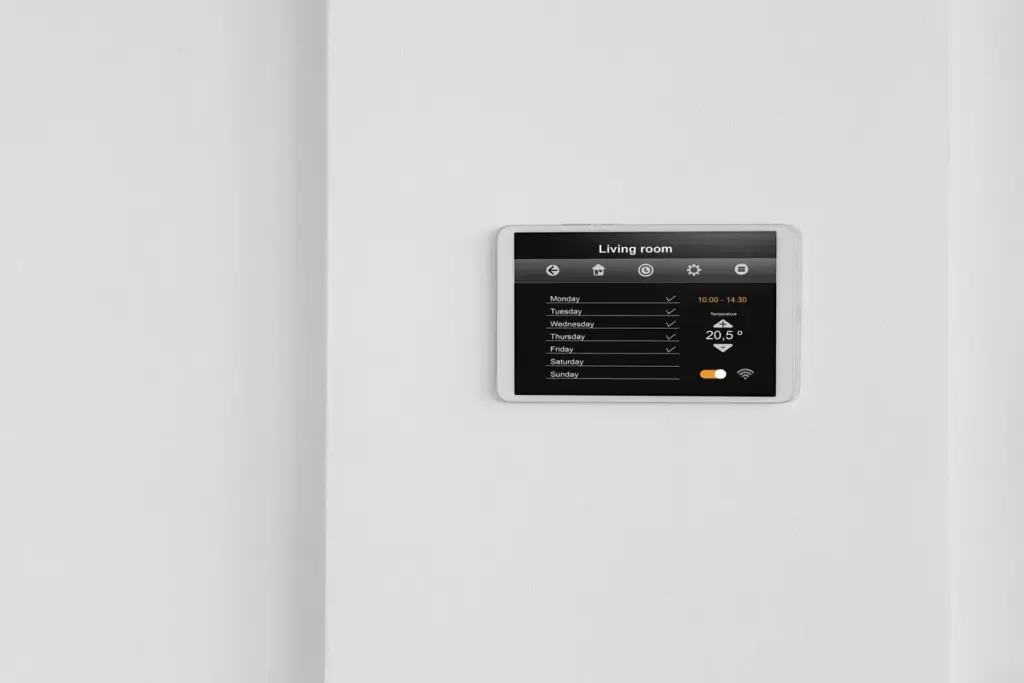
Routines transform scattered commands into elegant, repeatable moments. By bundling actions under memorable phrases, you reduce cognitive load and make complex tasks feel instant. The best designs anticipate ambiguity, handle misheards gracefully, and communicate outcomes clearly, encouraging everyone at home to participate confidently without feeling they must remember technical terms.

Accessibility, Dignity, and Everyday Independence

Voice-only control can be life-changing when hands are busy, mobility is limited, or vision fluctuates. One reader told us their grandmother regained evening comfort after setting voice-controlled lamps and a warm tea routine. By emphasizing clarity, consent, and shared ownership, voice becomes an empowering bridge to safety, privacy, and graceful independence at home.

Privacy, Security, and Trust You Can Feel

Trust is the foundation of speaking freely at home. Understand wake words, hardware mute switches, and what stays local versus cloud-processed. Use encrypted networks, strong passwords, and role-based controls. For sensitive actions—like unlocking doors—require PINs or confirmations. When people sense genuine respect for boundaries, adoption grows naturally, reinforced by comfort and transparency.

Troubleshooting for Clarity and Confidence

Even great setups mishear requests. Systematically isolate issues: naming collisions, noisy rooms, Wi‑Fi troubles, or outdated firmware. Use built-in diagnostics, observe signal strength, and review activity logs. Small fixes—renaming devices or splitting a scene—often resolve persistent frustrations, renewing confidence that your voice remains the most dependable control in the house.

Diagnosing Misheard Commands

Start by checking device names for duplicates and overly similar phrasing. Review logs to see what the assistant thought you said. If accuracy collapses at certain angles, reposition the speaker. Teach alternative phrasings and consider confirmation phrases until error rates drop, restoring a smooth, predictable conversational rhythm at home.

Network Health and Latency

Place access points near high-use rooms, separate congested bands, and keep firmware updated. Prioritize smart home traffic if your router allows. When the internet falters, local automations should still function. Eliminating jitter and delays transforms voice from a novelty into an expected utility that responds instantly across lighting, media, and climate.

From Commands to Conversations

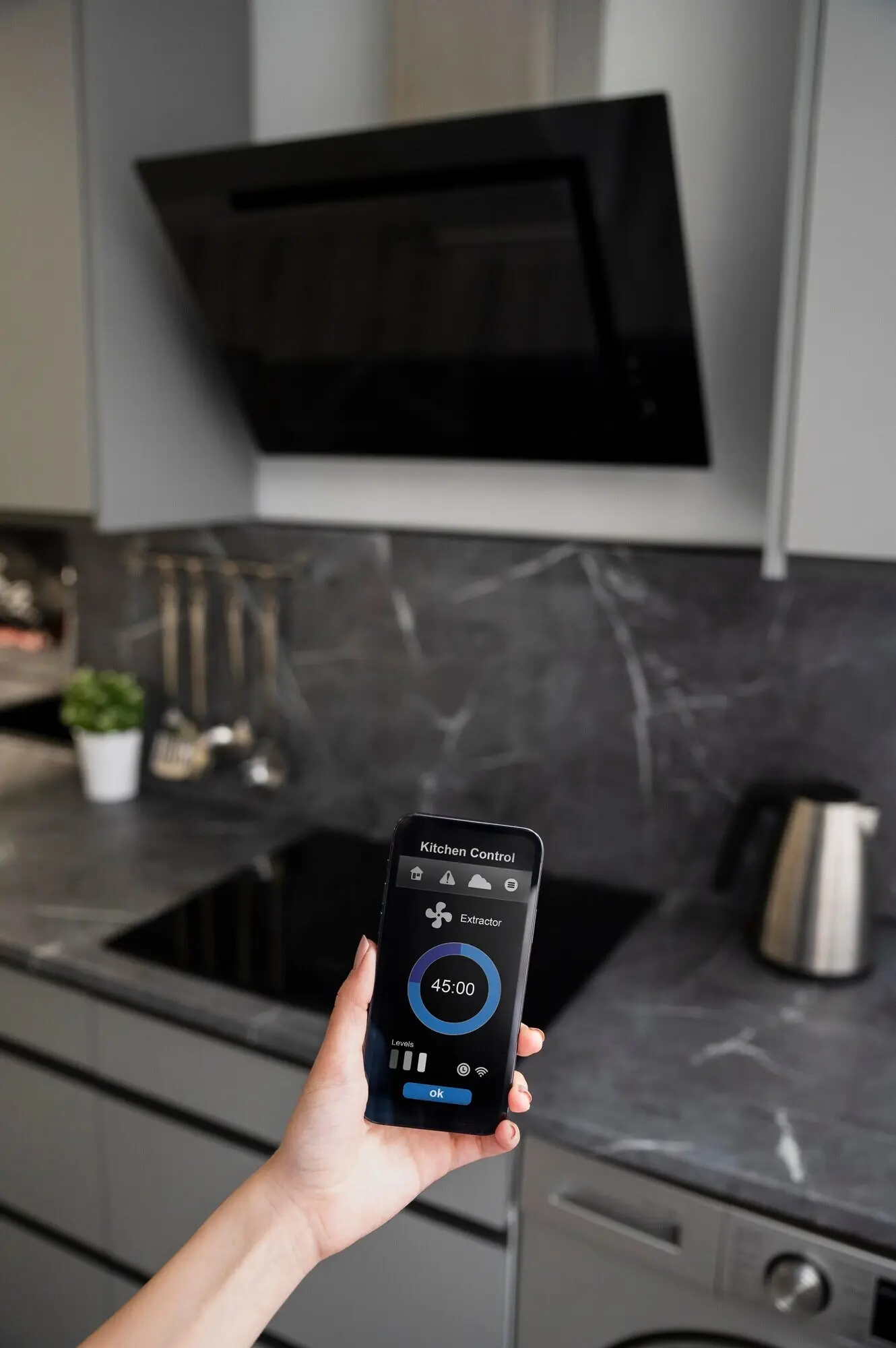
Expect multi-turn interactions where you refine requests without repeating every detail. “Dim a bit more” should understand the current room. Assistants will sustain context across moments, handle clarifications kindly, and confirm outcomes gently, reducing friction while elevating the feeling that your home truly understands how you prefer to live.

Ambient Intelligence with Sensors

Combine motion, temperature, light levels, and occupancy to make scenes feel intuitive. If the room is already bright, “lights on” should choose a softer setting. Fall detection or unusual inactivity could trigger discreet check-ins. Voice remains the friendly surface, while sensors provide silent awareness that prevents overreactions and needless interruptions.

Join the Conversation and Level Up

Your lived experiences are the compass. Share the routines you love, the names that finally worked, and the unexpected moments when voice saved time or soothed stress. Ask questions, request comparisons, and subscribe for fresh experiments. Together we’ll refine approachable, respectful practices that help every voice feel welcomed, heard, and empowered.
Xatafatupozefako
Privacy Overview

This website uses cookies so that we can provide you with the best user experience possible. Cookie information is stored in your browser and performs functions such as recognising you when you return to our website and helping our team to understand which sections of the website you find most interesting and useful.