Feel the Future at Your Fingertips: Smart Switches, Knobs, and Control Panels
We dive into tactile interfaces for smart homes—smart switches, knobs, and control panels—exploring why physical controls still outperform screens in speed, reliability, and accessibility. Learn how to choose designs, integrate them with Matter and local control, and craft everyday moments that feel effortless, inclusive, and delightfully human. Share your own experiences, questions, and favorite tactile wins to help others decide and build confidently.

Glance-Free Actions, Real Peace of Mind

A well-placed rocker or rotary dial lets you adjust lighting or volume without breaking eye contact with a hot pan, a toddler, or a late-night stair. That small certainty compounds, lowering stress, minimizing mistakes, and transforming routine tasks into fluid, almost invisible movements through familiar spaces.

Graceful When Wi‑Fi Misbehaves

Physical switches that fail safely and work locally mean lights still respond even if the cloud hiccups or your router reboots. Keep critical scenes on-device, prefer direct bindings, and choose products that expose manual overrides, so your household never waits for the internet to grant permission.

Inclusive by Design

Tactile cues—detents, textures, ridges, and audible clicks—help children, guests, and people with limited vision or dexterity use a home confidently. Clear physical mapping beats mystery touchscreens, while consistent placement fosters shared understanding, fewer errors, and deeper comfort for everyone living, visiting, or caregiving.

Design Principles that Feel Right

Affordances You Can Understand Instantly

A gentle concavity invites the thumb; a knurled ring promises rotation; a protruding toggle begs a flick. These signals reduce hesitation, teach through touch, and make a control usable even without instructions, preserving flow when attention is split and reinforcing trust in moments that matter.

Haptics That Speak Clearly

A gentle concavity invites the thumb; a knurled ring promises rotation; a protruding toggle begs a flick. These signals reduce hesitation, teach through touch, and make a control usable even without instructions, preserving flow when attention is split and reinforcing trust in moments that matter.

Light, Labels, and Night Navigation

A gentle concavity invites the thumb; a knurled ring promises rotation; a protruding toggle begs a flick. These signals reduce hesitation, teach through touch, and make a control usable even without instructions, preserving flow when attention is split and reinforcing trust in moments that matter.

Retrofit Realities and Electric Code Care

Older homes may lack neutral wires, have shallow boxes, or share circuits unexpectedly. Use smart relays where switches cannot fit, respect code, and test with a proper meter. If unsure, hire a licensed electrician; safety and reliability beat shortcuts that haunt you later.

Choosing Protocols and Planning for Matter

Thread brings low power and mesh resilience; Zigbee and Z‑Wave remain battle‑tested; Wi‑Fi suits high‑bandwidth panels. Matter promises common language, but local bindings and fallbacks still matter. Map your needs, standardize where possible, and label devices, so maintenance stays simple as your home evolves.

Scenes, Automations, and Safe Overrides

Bind buttons to scenes that translate across platforms, but always keep a manual path for lights, ventilation, and locks. Favor edge automations on hubs or devices for speed. Test failure modes deliberately, practicing override steps, so everyone can restore normal operation quickly when surprises occur.

Installation and Integration Without Drama
Retrofitting older wiring, navigating neutral requirements, and unifying devices across Thread, Zigbee, Z‑Wave, Wi‑Fi, and Matter can be straightforward with planning. Prefer local control, assess backbox depth, map circuits carefully, and document everything. Thoughtful integration yields instant responsiveness, safe operation, and future-proof flexibility across voice assistants and automation platforms.

The Midnight Hallway Light That Never Startles

A dimmable rocker with a soft-glow locator prevents blinding blasts at 2 a.m. Parents describe fewer wakeups and surer footing; kids feel brave crossing the hall alone. The fix cost little, required no phone, and restored restful nights through reliable, predictable physical feedback.

A Cook’s Favorite Twist

In a busy kitchen, a textured knob near the stove cycles task lighting with decisive clicks, even with wet hands or floury fingers. Recipes stay on track, safety improves around knives and heat, and guests admire the simple, satisfying motion that instantly signals success.

Welcoming Guests Without Explaining Anything

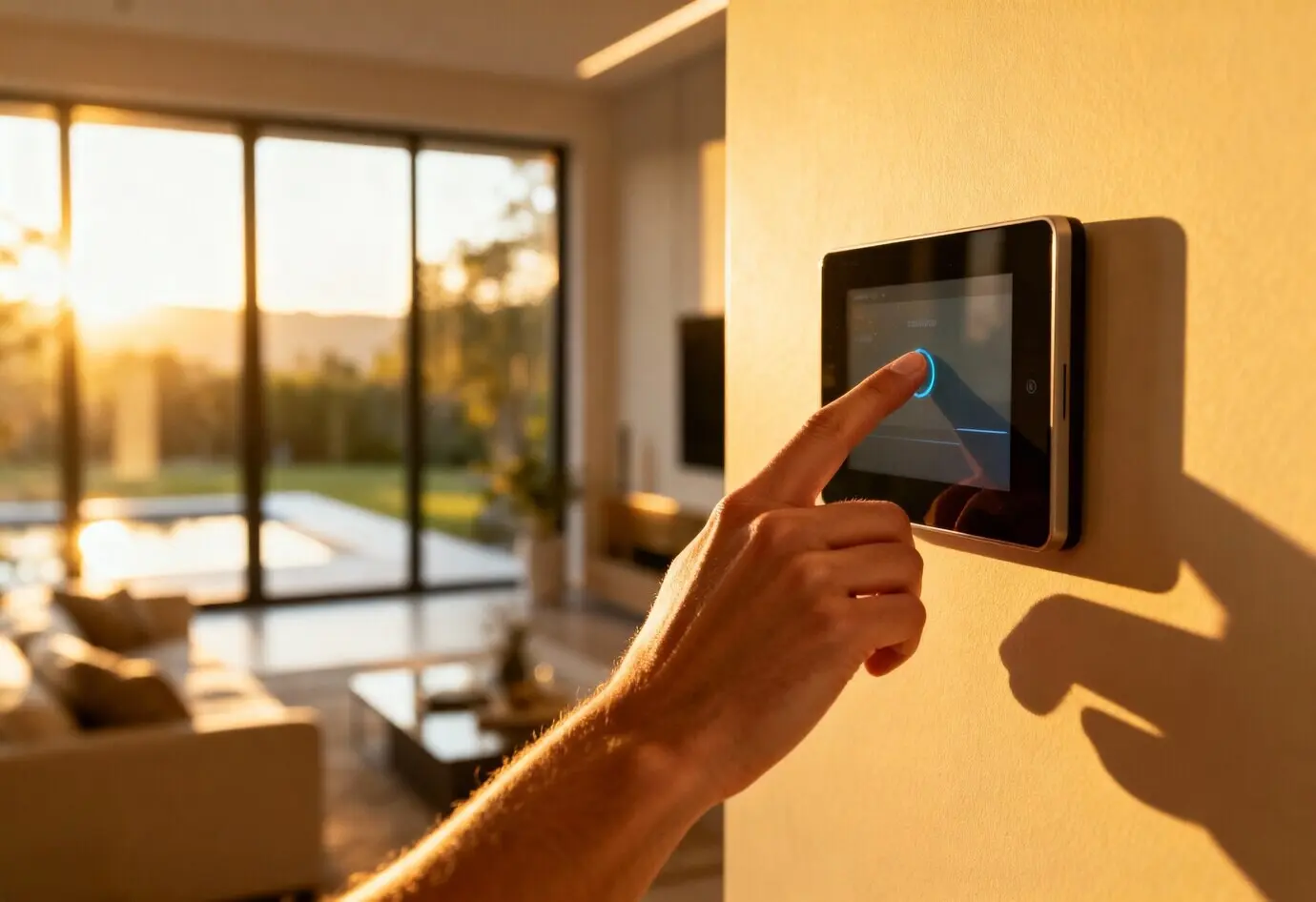
A capacitive panel with labeled zones and subtle haptics near the entry lets visitors find lights, climate boosts, and doorbell silence intuitively. Clear, tactile cues replace awkward instructions, reducing interruptions while preserving control for hosts who still want quick, dependable adjustments throughout gatherings and quiet mornings.

Security, Privacy, and Rock-Solid Reliability
Physical controls can protect privacy by minimizing screen exposure and cloud dependence. Choose devices with local APIs, signed firmware, and transparent update policies. Isolate networks, use strong credentials, and restrict remote access sensibly. Build redundancy and manual fallbacks, so safety-critical actions remain immediate, verifiable, and auditable even during outages or vendor disruptions.

What’s Next for Human-Centered Control
Sustainable Power, Smaller Footprints

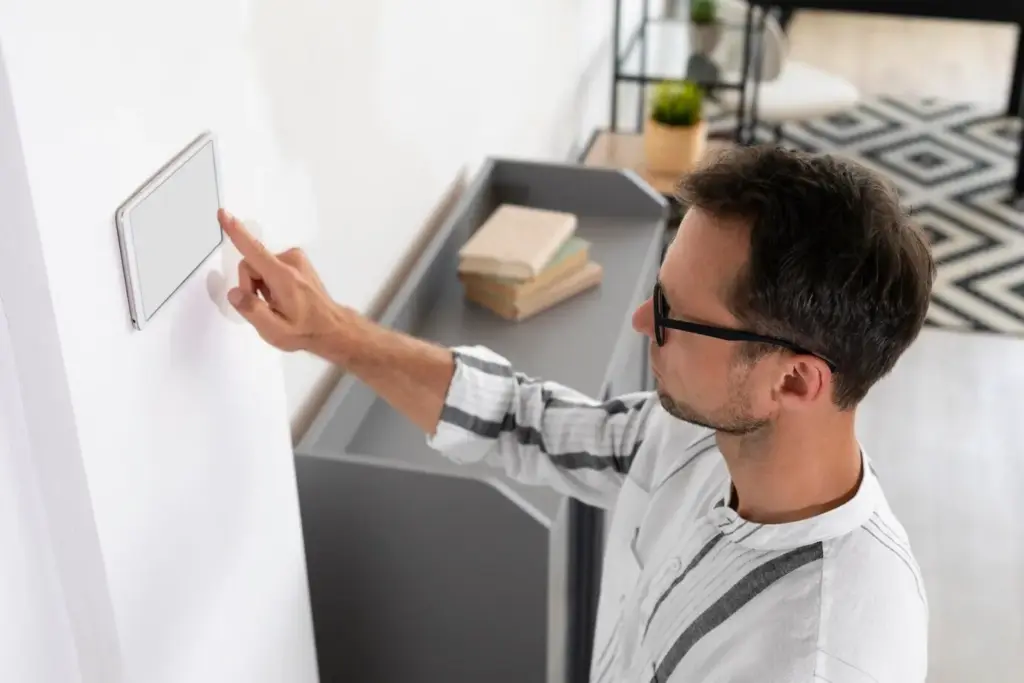
Piezoelectric clicks, kinetic energy storage, and solar microcells can eliminate batteries in high-traffic controls. Fewer disposables reduce maintenance and waste, while local processing cuts standby draw. These quiet gains make homes greener without sacrificing immediacy, preserving that magical feeling when a single press calmly reshapes the environment.

Interfaces That Adapt To You

With on-device learning, a dial can present longer detents at your preferred settings and smooth travel elsewhere. Panels might surface seasonal controls, dimming irrelevant options. Adaptation should remain transparent and reversible, preserving predictable safety behavior while still giving every family member a personal, respectful sense of control.

Beyond Walls: Furniture, Wearables, and Vehicles
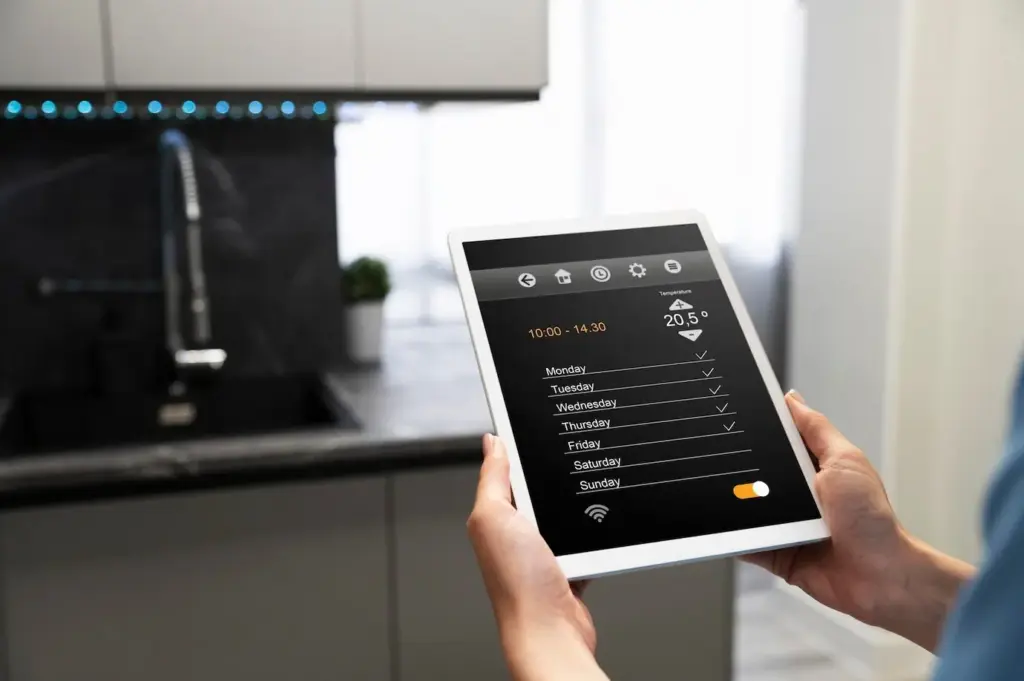
As boundaries blur, tactile cues migrate into desks, chairs, mirrors, and steering wheels, offering continuity as you move. Consistent gestures across spaces reduce relearning and prevent errors. Design with the journey in mind, so comfort, clarity, and safety follow you from the doorway to the driveway.
Xatafatupozefako
Privacy Overview

This website uses cookies so that we can provide you with the best user experience possible. Cookie information is stored in your browser and performs functions such as recognising you when you return to our website and helping our team to understand which sections of the website you find most interesting and useful.