Live Smarter Without the Cloud

Today we explore local-only home automation—building a cloudless smart ecosystem that protects privacy, responds instantly, and keeps running when the internet disappears. You will see how devices, protocols, and thoughtful routines collaborate entirely on your network, unlocking comfort, resilience, and control without surrendering data to servers you do not manage. Bring curiosity, share your experiments, and let’s craft a home that feels personal, fast, and delightfully independent.

Foundations for a Cloudless Home

Before adding shiny gadgets, design the bones: a dependable hub, low-latency protocols, and a tidy network that favors local communication first. Choosing a clear architecture now prevents headaches later, keeps automations snappy, and avoids silent failures when a vendor’s service changes terms, disappears, or merely has a bad day on the public internet.

Choosing Your Hub

Select a brain that thrives offline and respects ownership. Home Assistant, openHAB, and Hubitat run logic locally, integrate broad device ecosystems, and expose open APIs for future flexibility. Prefer exportable configurations, readable logs, and a thriving community so debugging, growth, and replacement parts never depend on someone else’s server staying awake.

Picking Reliable Radios

Zigbee, Z-Wave, and Thread form robust meshes where each powered node strengthens the network. Favor standards, avoid proprietary lock-in, and mind 2.4 GHz congestion near Wi‑Fi channels. Start with a few solid routers, test range methodically, and add devices gradually so stability grows alongside coverage, not chaos and unpredictable latency.

Privacy, Security, and Trust at Home

Local control shines when confidentiality matters. Your routines, presence data, and camera streams often reveal intimate patterns, so keep them on your premises. Balance convenience with least privilege, prune unnecessary integrations, and choose devices that permit audits, local keys, and firmware updates you control. Security should protect comfort, not strangle it with needless complexity.

MQTT as the Nervous System

A local MQTT broker like Mosquitto routes messages with minimal overhead. Use topics consistently, retain only what helps rehydrate state, and choose sensible QoS levels per device. Monitor dropped connections and latency. When events flow predictably, automations feel instantaneous, and debugging becomes a clear exploration of messages rather than mysterious, vanishing requests.

Mesh Health and Interference

Strong meshes are grown, not wished into existence. Place a few reliable routers in outlets between hub and sensors, avoid metal enclosures, and pick channels away from crowded Wi‑Fi. Periodically map link quality, then relocate noisy or underperforming nodes. Small physical adjustments often fix huge reliability complaints faster than rewriting complicated automations.

Power, Storage, and Self-Healing

Keep your hub and broker on an uninterruptible power supply, and prefer SSDs over fragile SD cards for frequent writes. Enable watchdogs to restart crashed services automatically. If something fails, alerts should trigger locally and guide recovery steps. Smooth restarts transform scary outages into minor hiccups that barely register with your household.

Everyday Automations That Delight

Start with simple wins your family immediately appreciates. Subtle lighting scenes, gentler mornings, and smarter ventilation earn trust and make experimentation welcome. Tie logic to sensors, not schedules, so behavior adapts to weather, presence, and habits. When comfort improves and fuss disappears, everyone champions the system rather than fighting it resentfully.

Lighting That Learns Your Day

Use motion, ambient light, and sunrise data to soften wake-ups, brighten work nooks, and warm tones at night. Circadian scenes reduce eye strain and encourage better sleep. All logic executes locally, so walking into a room feels instant and predictable, even during internet downtime or an unpredictable storm that unsettles outside infrastructure.

Comfort Without Cloud Dependencies

Pair temperature, humidity, and CO2 sensors with local HVAC or fan controls. Implement simple PID or rule-based adjustments that react faster than remote heuristics. Add window-state awareness to avoid waste. When the web stalls, your comfort does not. You notice only steady, quiet tuning that maintains energy savings and pleasant, breathable rooms.

Interfaces You Control Completely

Great interfaces invite everyone to participate. Local voice assistants, wall-mounted dashboards, and tactile controls offer redundancy and personality. Not every action needs an app. Physical buttons, NFC tags, and e‑ink displays communicate state at a glance, ensuring daily use remains delightful even when guests visit, children explore, or your phone battery protests loudly.

Local Voice That Respects Privacy

Combine Rhasspy or OVOS with on-device wake word detection, Vosk or Whisper for recognition, and Piper or Mimic for charming text-to-speech. Keep commands, transcripts, and responses offline. Start with a few reliable phrases for lights, scenes, and status. Clarity beats cleverness; consistent phrasing builds confidence and avoids frustrating, ambiguous interpretations over time.

Dashboards for Family-Friendly Control

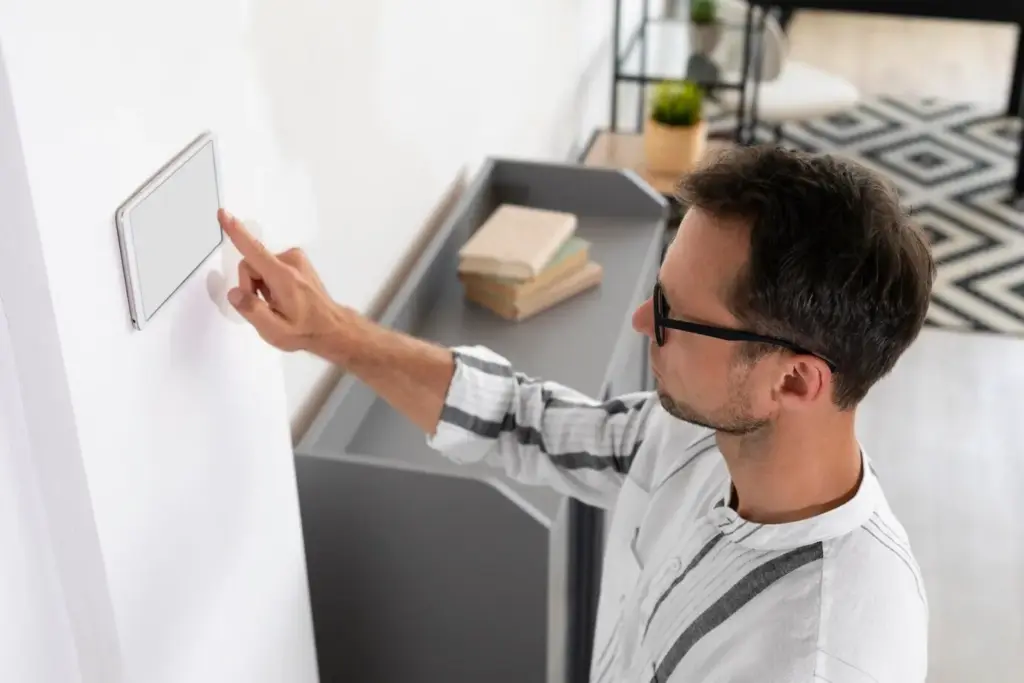
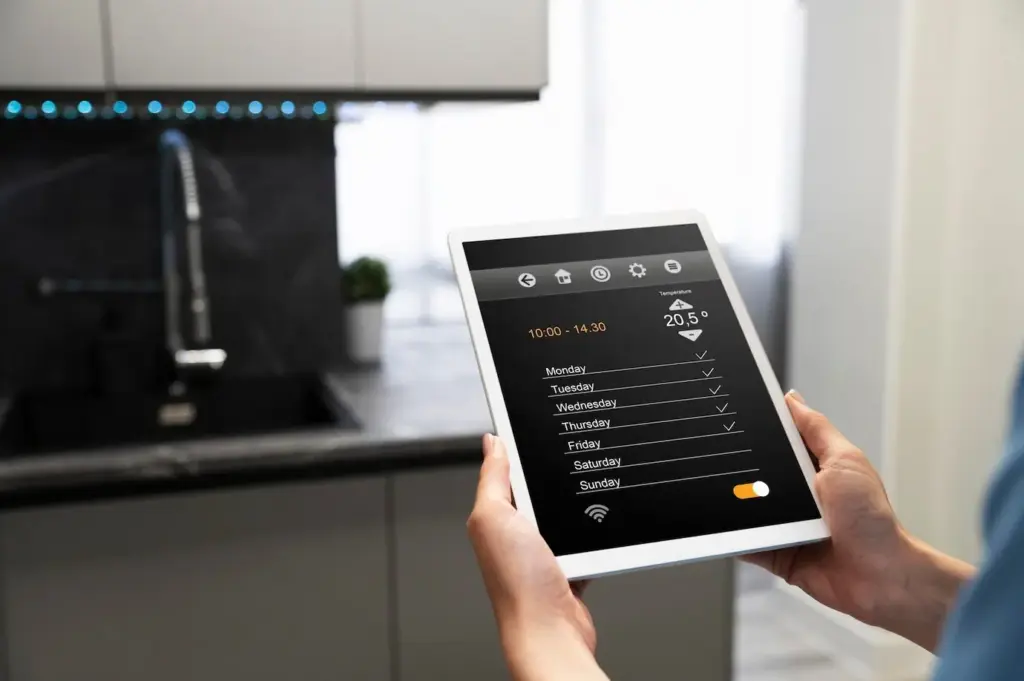
Create role-based views: a simple household panel for daily actions, a maintenance panel for diagnostics, and a playful panel for kids. Favor large touch targets, readable colors, and quick recovery actions. Kiosk-mode tablets on PoE keep uptime high. When anyone can fix a stuck light, the system earns everyday loyalty and trust.

Tangible Buttons, Tags, and E‑Ink

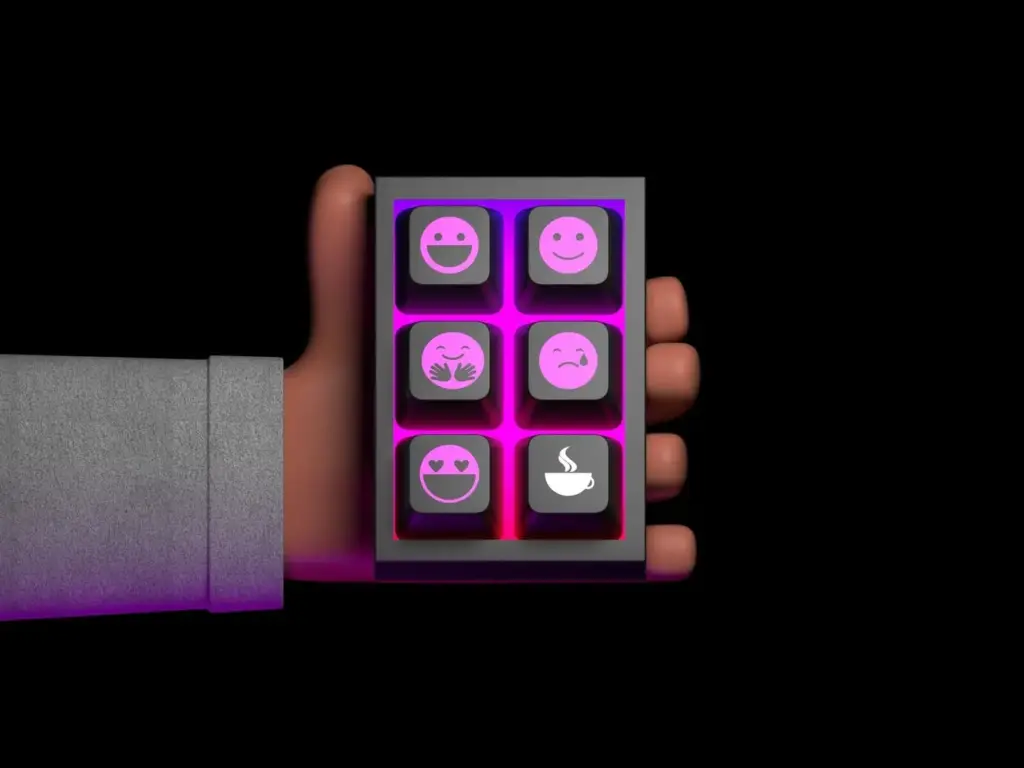
ESPHome buttons summon scenes instantly, NFC tags trigger routines with a tap, and e‑ink displays show room temperature, air quality, or washer status without glowing at night. These quiet, physical affordances encourage natural habits and make control obvious. Local logic ensures they keep functioning even when phones, apps, or clouds fail dramatically.

Bridging Legacy Gear and Modern Protocols

Not everything you own is new, and that is fine. Retrofit lights, switches, and sensors with open firmware, bridge serial devices with microcontrollers, and adopt Matter or Thread locally where useful. Prioritize reversible changes and safety. Celebrate small upgrades that reduce friction today while keeping pathways open for tomorrow’s improvements and surprises.

Maintain, Evolve, and Share What You Build
A living system deserves gentle care. Track changes, stage updates, and measure outcomes so improvements stick. Celebrate small, repeatable wins rather than risky leaps. Share your configurations and lessons with the community, invite feedback, and subscribe for future experiments. Together we refine ideas faster, avoid pitfalls, and keep joy at the center.
Xatafatupozefako
Privacy Overview

This website uses cookies so that we can provide you with the best user experience possible. Cookie information is stored in your browser and performs functions such as recognising you when you return to our website and helping our team to understand which sections of the website you find most interesting and useful.